
Can one evening really fill a month of content?
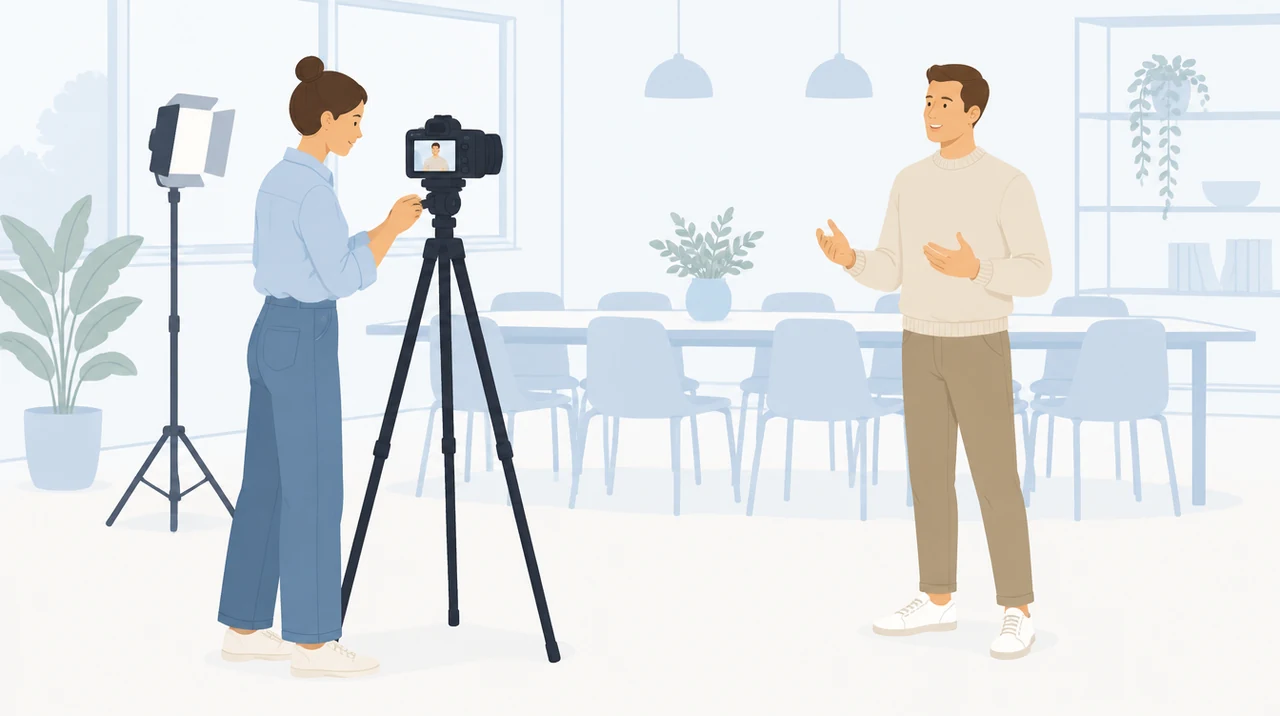
A dinner for twelve can reach twelve thousand, but only if you plan the capture before the night, and only if you do it in a way your guests don't resent.
Decide what you're capturing, and tell people
Three levels, and you should pick one and say so in the invitation:
- Nothing on the record. This gets you the most candid conversation and the relationships that follow, and no content at all.
- Photos, no quotes. This is the default for most founder dinners. People are photographed and nobody is quoted without being asked. Say so in the invitation: "There will be a photographer for an hour at the start, and nothing said at the table gets published."
- On the record, which suits panels and public sessions and nothing else. Say so twice, in the invitation and again at the start.
Announcing it removes the awkwardness. Not announcing it, and then posting, is how you lose the guest who would have brought you three more.
What to actually capture
For photos, an hour at the start is enough, arrival, the standing drinks, the first twenty minutes of the table. That's where people look engaged rather than mid-chew. Ask for: wide shots of the room, two or three candid conversations, and a handful of clean portraits. That's the set that carries a month of posts.
For video, one thing beats many: a single question asked to three or four guests on the way in, forty seconds each. You'll get a usable montage and each guest has a clip they'll share themselves.
Turning it into a month
One evening reasonably yields:
- A recap post the next day, while people are still tagging each other.
- Three to five single-photo posts across the following weeks, each carrying one idea that came up at the table. You do not need a photo of a person to make the point.
- One written piece on whatever the argument was. The disagreement at the table is the article, and the consensus is filler.
- A short montage from the door-question clips.
- The invitation to the next one, which is far easier to write when you can show the last one.
Laid out across four weeks, with the two channels that are worth the trouble, it looks like this.
Four weeks from one evening
The order matters more than the count. The recap goes out while people are still tagging each other, the argument piece lands once the room has cooled enough to disagree in public, and the invitation comes last, when you have four weeks of evidence behind it.
What each one actually says
The room, the one line the night was about, and the names of the people who said the interesting things. No thank-yous to the venue.
One sentence somebody said at the table, quoted as they said it, and what you think about it. Two lines, no thread.
Eight hundred words on the thing the table disagreed about, with both sides put fairly. This is the post that gets forwarded.
Forty seconds of one guest answering the door question. They will share it themselves, which is the point.
The invitation, with a photo of the last room in it. Far easier to write now than it was four weeks ago.
The rule that keeps you invited back
Your guests are not props. Anything that makes a guest look like a testimonial, rather than a person who came to dinner, costs you more than the post is worth. When in doubt, send them the photo before you post it. Nobody has ever been annoyed by that message.