
The words your customers use are better than yours
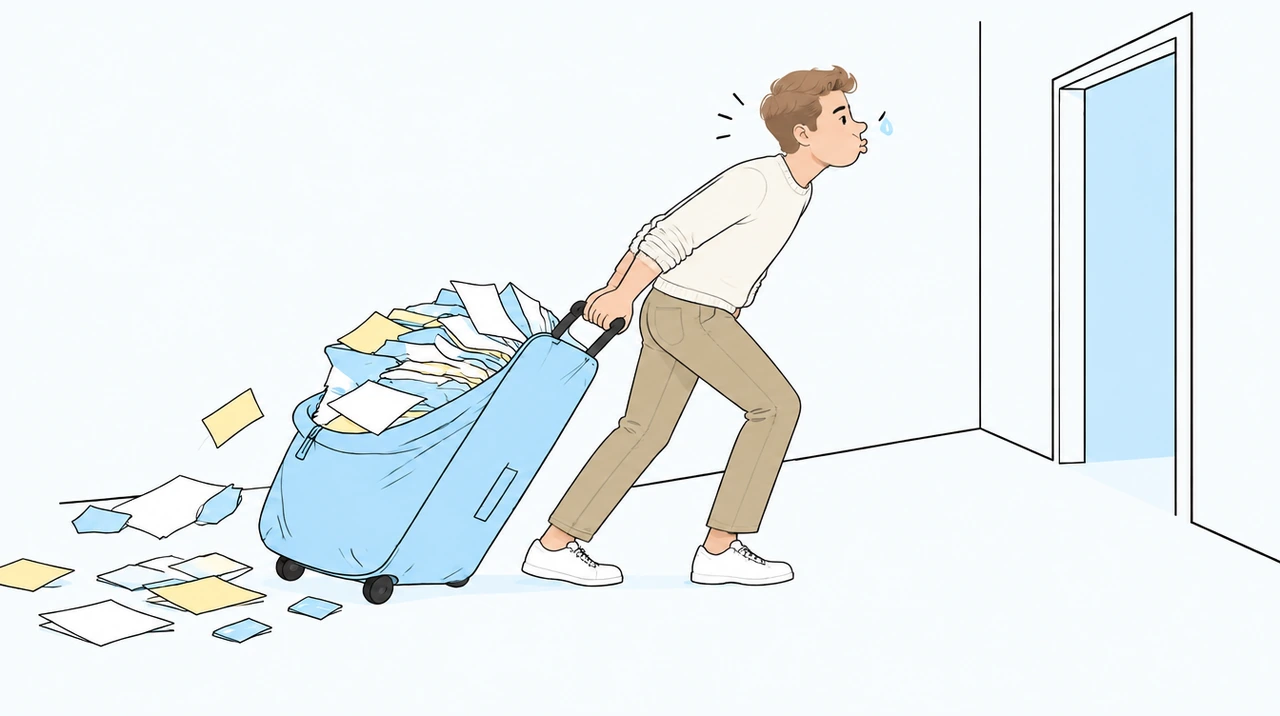
Everyone who works on a product for long enough invents words for it. Internally that is necessary. Externally it is a tax on the reader, and you cannot hear it any more because you are inside it.
The fix is not a copywriter. It is a transcript.
Where the words are
Five places, in rough order of value:
- Sales calls, especially the first two minutes before you start talking.
- Support messages, where people describe the problem while annoyed and therefore precisely.
- The reason people give for churning, which is the most honest sentence you will ever get.
- Reviews of your competitors, free and plentiful.
- The form field on your own sign up where you asked an open question and then never read the answers.
What to look for
Copy the sentences out verbatim into one document. Do not tidy them. You are looking for three things:
- The nouns they use for the problem, which are rarely your category name.
- The verb. People rarely say "optimise". They say "chase", "sort out" and "get on top of".
- The unit they measure in: seats, hours, replies, no-shows. Whatever they count is what they care about.
When the same phrase turns up four times from four unrelated people, that is not an opinion any more. That is the name of the thing.
The uncomfortable part
Their words will often be less impressive than yours. Plainer, smaller, less ambitious. You will feel the pull to upgrade them.
Resist it. "Stop paying for empty chairs" will outperform "optimise attendee conversion" every single time, and the only person who prefers the second one is you.
Put them back in the same order
Do not just harvest nouns. Notice the order people explain things in, and write in that order. If everyone describes the deadline before the problem, put the deadline first, even if logically the problem comes first.
You are not writing a specification. You are meeting someone where their thinking already is.
Do it again in six months
Vocabulary moves. The phrase everyone used last year gets replaced, and you will be the last to notice because you are still shipping copy built on it. Twenty minutes of reading transcripts, twice a year, keeps the page current.